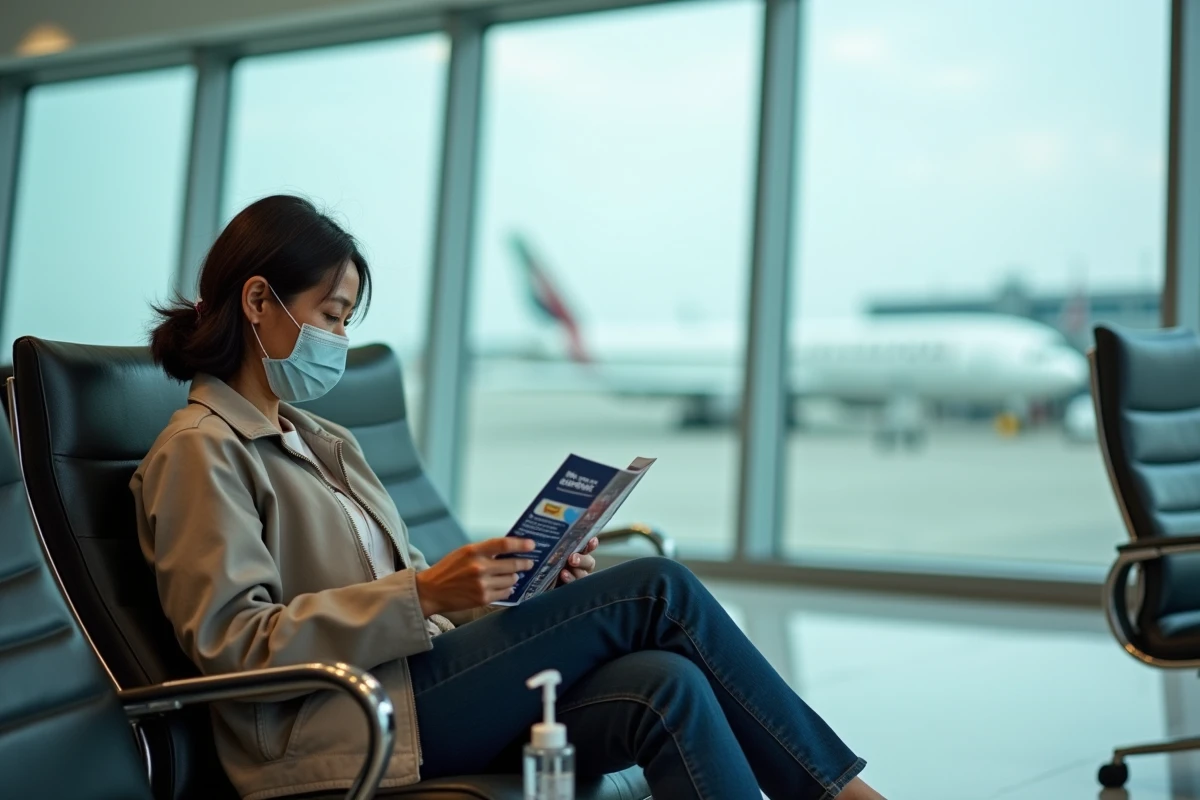
A passenger takes their seat in the cabin, mind at ease, without the slightest trace of fever. Yet, dengue has already infiltrated their body, silent and imperceptible. The diagnosis will emerge long after takeoff, sometimes thousands of kilometers away. Now, instead of imposing a vaccine indiscriminately, public authorities are betting on more nuanced measures, tailored to each itinerary and individual situation.
Dengue does not respect borders. South Asia regularly faces massive outbreaks, Latin America struggles to fend off the mosquito, while large territories in Africa manage flare-ups throughout the seasons. Closer to us, the Mediterranean region is joining the fray due to warming: traveling means constantly navigating shifting risks. The instinct of the informed globetrotter? To stay informed at every step, check medical advice, monitor alerts and last-minute entry rules, the only way to avoid moving forward with blindfolded eyes. Taking this reflex seriously is already a form of protection.
What health risks are associated with dengue according to the destination?
Invisible but formidable, the Aedes mosquito makes its way, disrupting old geographical certainties. Colombia, Brazil, Indonesia, and Sub-Saharan Africa form the core of monitored regions, but today, the problem overflows: Europe itself is seeing the threat resurface with the return of warm weather.
Traveling to these areas also exposes one to other cunning agents: Zika, chikungunya… All these diseases circulate through mosquito bites, and in the absence of a miracle treatment, the only defense remains prevention at the source: to protect oneself relentlessly.
The local context weighs heavily. Rainy season, epidemic flare-up, or on the contrary, relative calm: each project requires its vigilance and adaptation. Those who want to delve deeper into the subject and anticipate as best as possible will find more concrete information to prepare their itinerary here: discover the article on 1 Voyageur.
Preparing for the trip: vaccines, precautions, and tips against dengue on the plane and on-site
Even before booking a ticket, everything is organized in advance: health news about the destination, a visit to an international vaccination center, checking the documents to provide or any public health requirements. Some countries, like Saudi Arabia, systematically require vaccination for meningitis ACWY; dengue, however, does not stand as a generalized regulatory exception. It must be handled on a case-by-case basis.
Here are some basic actions that make a difference before, during, and after the flight:
- Slip an effective repellent (DEET or picaridin) into your travel kit and remember to reapply it regularly, including right after leaving the airport.
- Wear long, covering clothing, ideally treated, especially in the most exposed areas.
- Check that the accommodation provides mosquito nets, air conditioning, or a system to properly renew the air at night; it is often the nights that pose the most risk.
In the airplane, the risk of bites remains almost nil. But during prolonged layovers, especially in open or very humid airports, caution is advised: one can find themselves under the bite of a mosquito in the international waiting area.
To limit unpleasant surprises, other measures should be anticipated:
- Consider a travel insurance that clearly mentions coverage in case of vector-borne illness and covers hospitalization costs abroad.
- Include some essentials in your kit: repellent, soothing lotion, thermometer; these small tools can save precious time when faced with the first signs.
- Ask your consulting doctor if there are other specific risks related to the destination: Japanese encephalitis, Rift Valley fever, or neurological complications like Guillain-Barré syndrome in the context of Zika. Anticipation is the best defense.
On the ground, nothing replaces daily discipline: applying repellent, covering up, avoiding peak mosquito hours, and tracking any stagnant water around. It is these austere but effective routines that make the real difference in the long run.

Reliable resources and points of vigilance for a smooth trip
Preparing for health is now an integral part of the big departure. The health authorities websites offer updated reports by country, information sheets on vaccination requirements, and contact details for international vaccination centers.
With each epidemic peak, the high health authority updates recommendations. Planning a medical consultation before departure clarifies choices, anticipates unforeseen events, and allows for a light-hearted journey.
Before packing the bags, a few precautions prove useful:
- Refer to official bulletins to assess the situations in the regions visited.
- Make an appointment early at a vaccination center, especially during peak departure times when slots fill up quickly.
- Check, just before leaving, the current rules on the vaccination requirement page; neglecting this verification risks being grounded.
Integrating sanitary hygiene from the first preparations is true freedom. In the health declaration of the modern traveler, shared responsibility has its place. Ready to board? Perhaps tomorrow, the simple force of attention will count as much as a biometric passport.