Leisure activities for seniors encompass all regular physical, intellectual, or social practices that structure daily life after professional life. Their common point: they maintain functional abilities and nourish the sense of usefulness. Choosing an activity suited to one’s desires and physical condition matters more than multiplying occupations.
Adapted physical activity: a leisure activity that can be prescribed by a doctor
In France, a doctor can direct a person with a chronic illness or loss of autonomy towards an adapted physical activity (APA). The program is then constructed according to the patient’s capabilities, supervised by a trained professional. This is not just advice: it is a medical prescription included in the care pathway.
However, APA is not covered by Health Insurance like a standard care act. Local aids or certain complementary health insurances may contribute to the cost, but reimbursement is never guaranteed. Checking this point before registering avoids unpleasant surprises.
The Sport-Health Houses provide a useful entry point for resuming activity with caution. According to France Assos Santé, the welcome and guidance are free, while the sessions offered are most often paid. These structures assess needs, test physical condition, and guide towards a tailored practice. An online directory lists leisure activities on seniorcybernet.org and can complement this search for local activities.
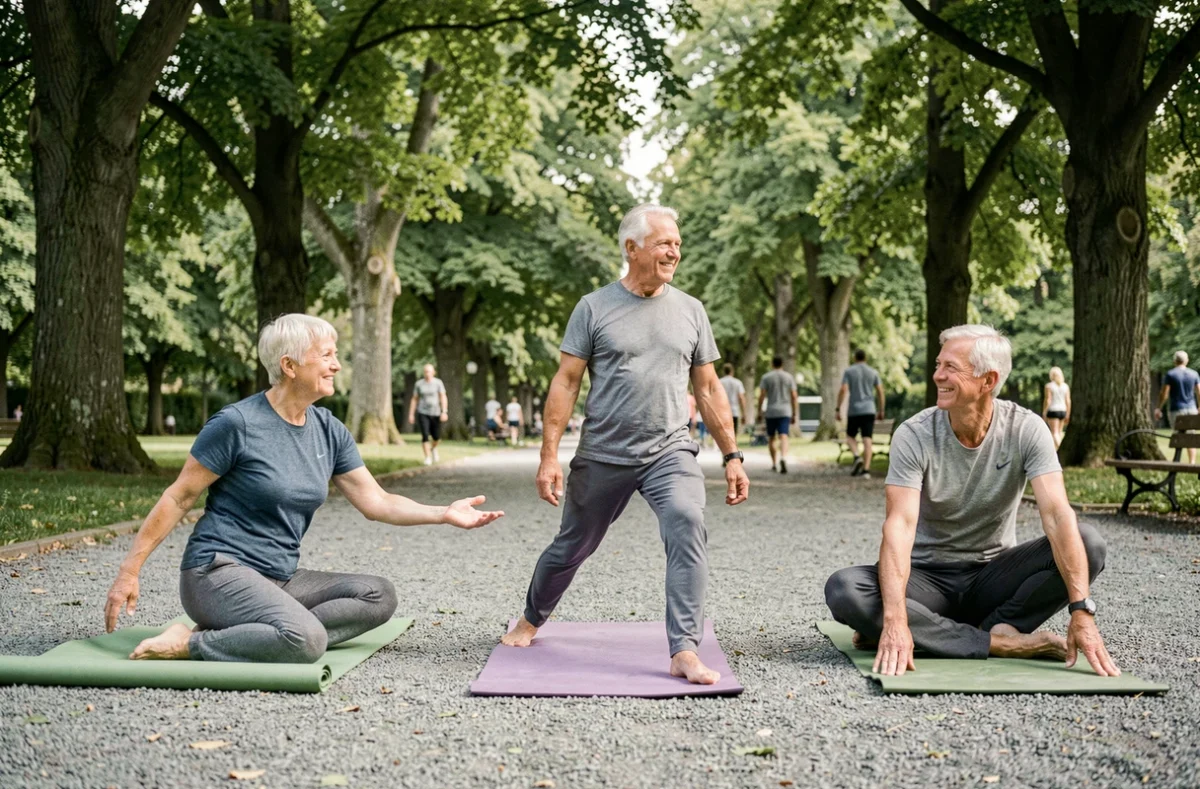
Physical leisure activities in daily life: walking, gardening, and balance exercises
The WHO recommends that older adults combine endurance, muscle strengthening, and balance exercises. This combination reduces the risk of falls, which remains the leading cause of loss of autonomy among seniors.
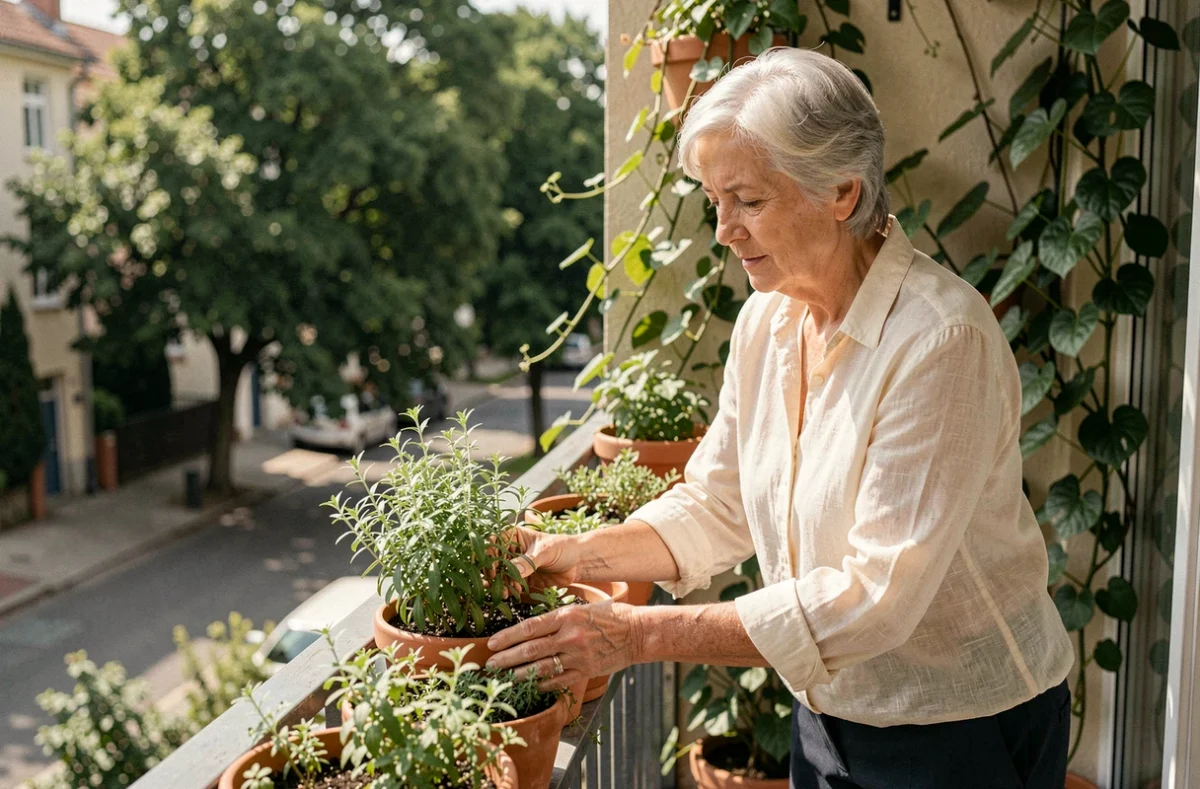
Movement does not necessarily require a group class. Walking more, gardening, climbing stairs: everyday actions count as much as a supervised session. The idea is to integrate movement into daily life rather than confining it to a weekly slot.
For those who prefer a structured setting, several formats exist:
- Aquagym engages the joints without impact, making it accessible even in cases of chronic joint pain.
- Chair yoga works on flexibility and breathing without requiring getting on the floor.
- Gentle gym in small groups combines light muscle strengthening and balance work, two components that the WHO distinguishes in its recommendations.
Memory workshops and cognitive leisure activities for seniors
Cognitive decline related to age is not a fixed fate. Activities that engage working memory, attention, and reasoning help slow down the loss of certain functions. The mechanism relies on brain plasticity, which is the brain’s ability to create new connections when regularly stimulated.
Reading remains the most accessible cognitive leisure activity. Reading a novel, following the news, participating in a book club: each format engages comprehension, long-term memory, and vocabulary. Municipal libraries often offer free reading circles aimed at retirees.
Mind games (crosswords, bridge, chess) engage another realm: planning, mental calculation, quick decision-making. Alternating reading and board games allows for working on complementary cognitive functions.
Learning a foreign language or discovering digital tools produces a comparable effect. Learning engages sustained attention and procedural memory, two functions that particularly benefit from regular training after retirement.

Group classes and creative workshops: social connection as a hidden benefit
Social isolation exacerbates physical and cognitive decline. Creative workshops (pottery, painting, sewing, writing) provide a dual benefit: manual and intellectual stimulation on one side, regular human contact on the other.
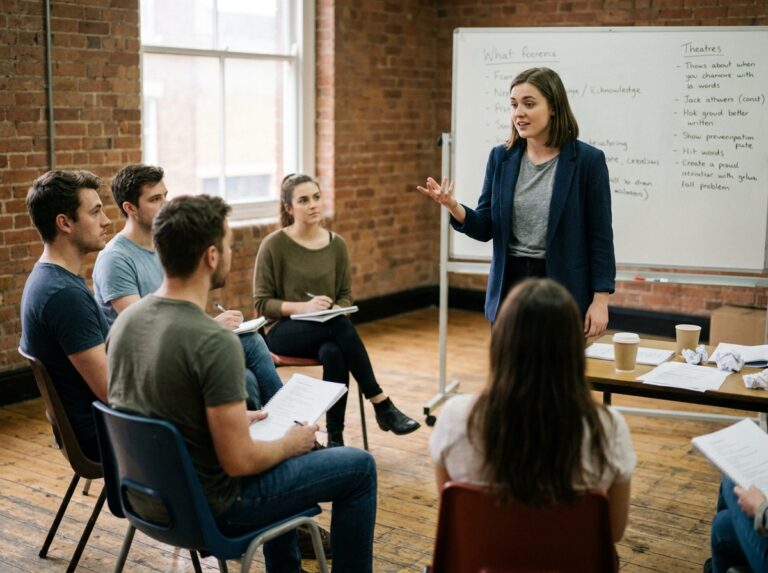
Group classes create a fixed appointment in the week. This structuring rhythm partially replaces what professional life offered. The content of the workshop matters less than the regularity of attendance and the quality of exchanges among participants.
Cultural activities play a similar role. Visiting an exhibition, attending a concert, or following a series of lectures at a lifelong learning university opens up topics for conversation and nourishes curiosity. A shared leisure activity protects more than a solitary one against the feeling of uselessness that affects some retirees.
- Writing workshops allow for sharing memories while working on narrative memory and written expression.
- The choir or amateur theater combines memorization, coordination, and social presence in a playful format.
- Volunteering offers a framework where skills acquired during active life find concrete usefulness.
Finding the right leisure activity after retirement does not require filling every day. One or two activities chosen with enthusiasm, practiced regularly, are enough to maintain a balance between movement, cognitive stimulation, and social life. The most reliable criterion for choosing remains the pleasure felt, not the theoretical promise of health benefits.