Refreshing your style each season doesn’t mean replacing your entire wardrobe. Fashion evolves through gradual shifts: a changing colour palette, one cut giving way to another, a fabric taking centre stage in collections. Understanding these patterns makes it easier to embrace trends without accumulating unnecessary pieces—an increasingly relevant concern as European regulations push brands towards greater durability and reuse.
Trending colour palettes: beyond neutral tones
Colour is the easiest way to refresh an outfit without changing its silhouette. This season, collections are gravitating towards nature-inspired shades: deep burgundy, chocolate brown, ecru and khaki. These hues are more than just neutral backdrops; they can define an entire look.
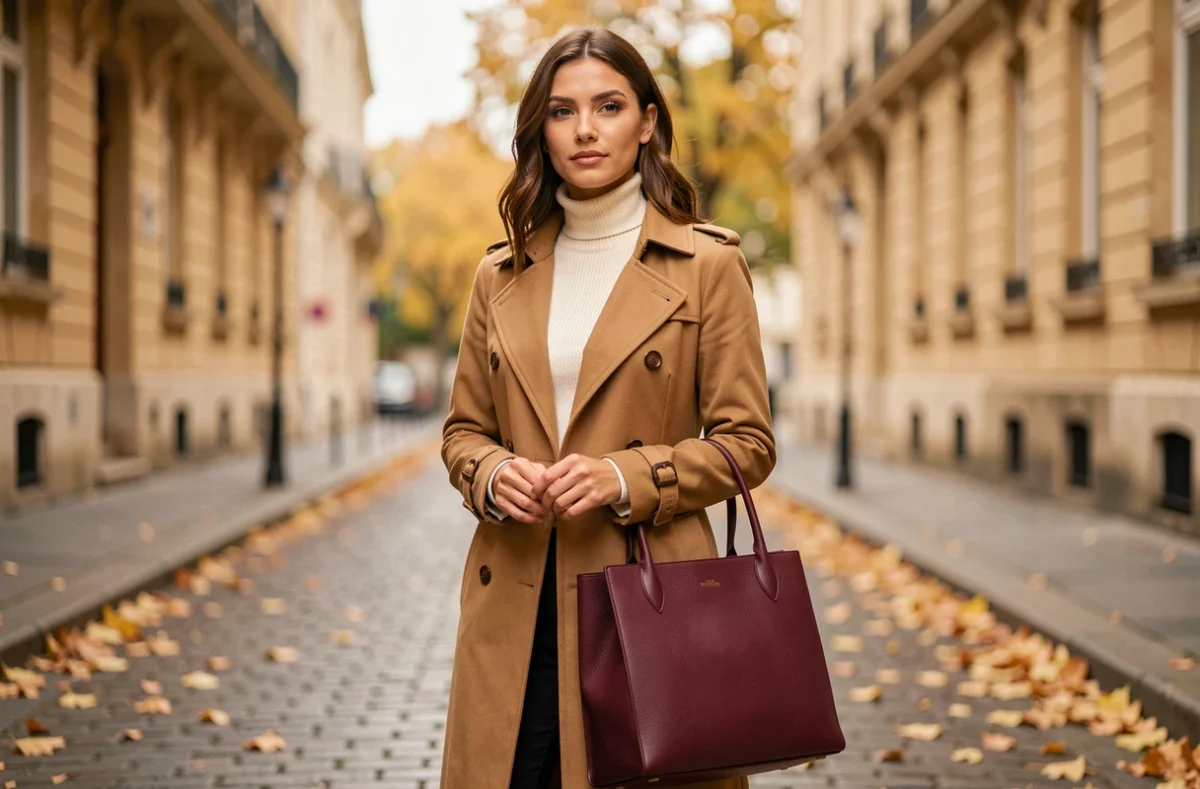
Burgundy, for example, works just as well on a blazer as it does on an accessory. Paired with raw denim or ecru wide-leg trousers, it gives an outfit a seasonal feel without making it look dated. Chocolate brown, meanwhile, is replacing classic black in everyday pieces such as coats, bags and ankle boots.
The real styling challenge is how to combine these shades. A monochrome look in earthy tones feels cohesive, but you’ll need to play with textures to avoid a flat, uniform effect. Pair chunky knitwear with smooth leather, or corduroy with matte cotton: contrasting fabrics add depth when the colour palette is limited.
Specialist platforms such as modefashion.net bring together colour and fabric combinations season after season, making it easier to build a cohesive wardrobe.
Fashion cuts and silhouettes: what’s actually changing this season
Silhouettes are becoming more relaxed. Relaxed fits dominate the collections, with wide-leg trousers, unstructured jackets and long, flowing dresses. This shift didn’t happen overnight, but it’s becoming a lasting direction rather than a passing trend.
Straight-leg jeans and wide-leg trousers
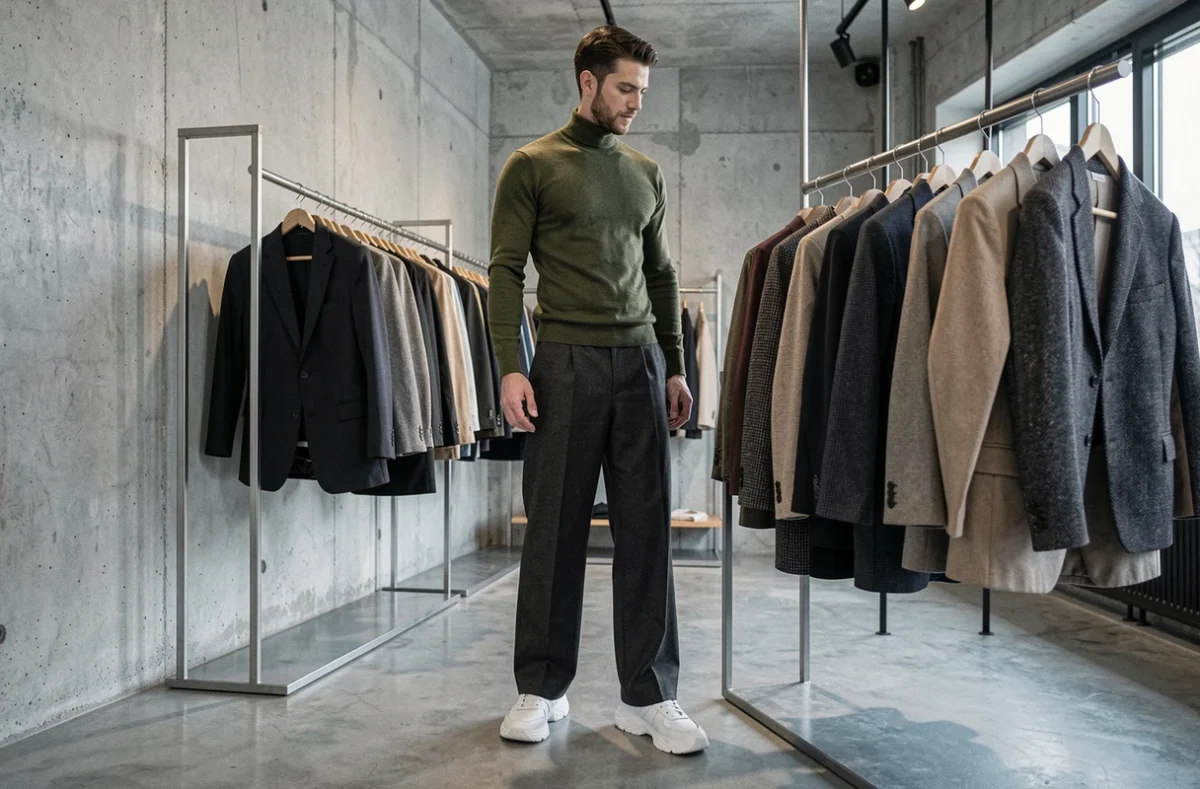
Skinny jeans are giving way to straight-leg and even looser styles. The difference in comfort is immediate, as is the effect on your silhouette: wide-leg trousers call for a more fitted top or one tucked into the waistband. Without this balance of proportions, an outfit can lose its shape.
Lightweight, flowing trousers work on the same principle. Wear them with a slightly fitted blouse or a fine-knit sweater for a comfortable office look that still feels polished.
Layering as a styling technique
Layering isn’t just a way to keep warm. It’s a technique that lets you adapt the same wardrobe to different settings. A structured blazer over a fine-knit turtleneck, or a sleeveless jacket over a shirt: each layer adds visual interest.
A good rule to follow: keep visible layers to a maximum of three. Beyond that, individual pieces become harder to distinguish and the intended effect is lost.
Fabrics and textures: the choices that make an outfit stand out
A garment’s fabric determines how it drapes, how long it lasts and how it catches the light. Two identically cut blazers—one in lightweight wool and the other in cheap polyester—won’t look the same. This season, several fabrics stand out:
- Ribbed knitwear, seen on sweaters, cardigans and even skirts, adds texture without the need for a print. It works particularly well in caramel and ecru shades.
- Velvet, back in autumn collections, creates an interesting textural contrast with denim or smooth leather. Try it in trousers or a cropped jacket.
- Raw, undyed denim is a versatile wardrobe staple. Jeans made from heavyweight, non-stretch denim hold their shape better through repeated washes than highly elastic styles.
Fabric choice often matters more than cut. A well-cut garment in poor-quality fabric won’t age well, while a simple cut in quality fabric can look good for several seasons.
Trending accessories: pieces that transform a basic look
Accessories are the most affordable way to embrace a trend without overhauling your wardrobe. This season, three categories of pieces stand out in the collections.
Wide belts are back to define relaxed silhouettes. Worn over a coat or a long dress, a belt highlights the waist and balances the proportions of a flowing look. Medium-sized bags—not mini or oversized—are emerging in a range of natural shades.
Square-toe and softly rounded shoes are gradually replacing pointed styles in women’s collections. This small detail gives an outfit a more understated feel.
- A chunky wool scarf in a contrasting shade (burgundy with a camel coat, for example) is enough to give a look a seasonal feel.
- Delicate jewellery, such as fine chains or geometric earrings, adds a finishing touch without overwhelming an outfit.
- Leather gloves are often overlooked, but add a level of polish few other pieces can match in cold weather.
Textile regulations and sustainability: what’s changing for consumers
The European Union now prohibits large companies from destroying unsold clothing. This recently introduced measure is pushing brands to rethink production volumes and develop reuse channels.
The ESPR regulation also sets out future requirements for the durability, repairability and recyclability of textile products, as well as a digital product passport. The precise details will be defined in stages, but the direction is clear: clothing will need to be designed to last.
In France, the textile reuse sector is facing operational challenges. Charities and social enterprises report a build-up of clothing due to a lack of suitable outlets. In practical terms, donating your clothes doesn’t guarantee they’ll be reused. Buying less but better remains the most sensible strategy, both for your style and for the environment.
Ultimately, refreshing your style this season comes down to a few considered choices: build your colour palette around natural shades, choose fabrics that wear well, and invest in two or three carefully selected accessories rather than accumulating trend-led pieces. Relaxed cuts and layering offer plenty of ways to vary your looks without buying more.