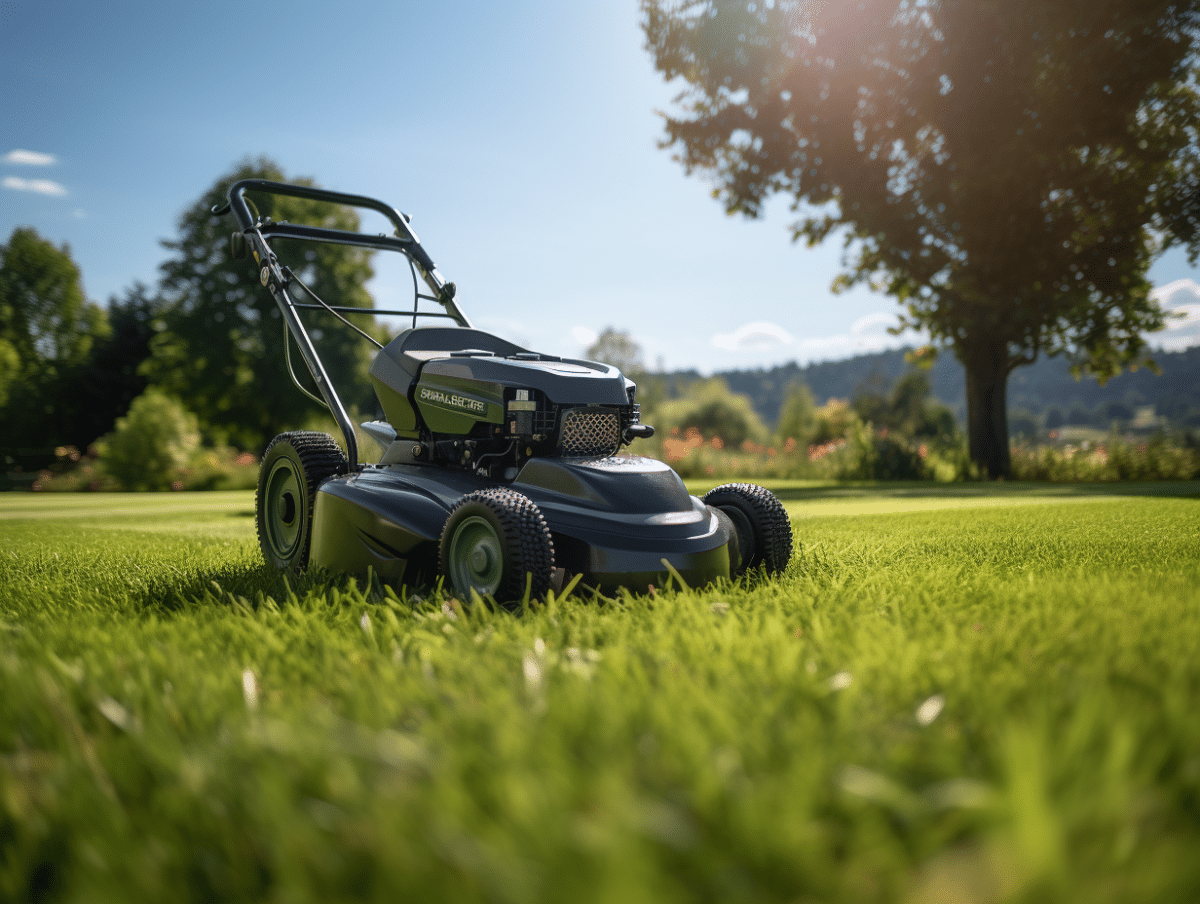
Maintaining a lush lawn is comparable to the art of gardening, where every detail matters. To transform an outdoor space into a perfect green carpet, various techniques must be considered, ranging from regular mowing to adequate irrigation. Attention to the type of grass, fertilization, and weed control also plays a crucial role in the health and aesthetics of this green space. Faced with climatic challenges and potential pests, homeowners seek expert advice to keep their lawn green and immaculate throughout the year.
The Fundamentals for a Healthy Lawn
The Gardener knows that moss represents a common problem for lawns, requiring determined action to preserve the integrity of the green carpet. This unwanted invasion, which often settles in acidic soils and shaded areas, compromises the density and vigor of the grass. Take action by incorporating a natural moss control product, an effective and environmentally friendly solution, to eliminate this intruder without harming biodiversity.
Beyond moss, weeds are another significant adversary, competing with grass for nutrients and water. To control them, establish a regular intervention program, where manual removal is complemented by the use of selective herbicides, if necessary. A healthy, dense, and well-maintained lawn naturally reduces the space available for these unwanted plants.
Compacted soil hinders access to oxygen and essential nutrients for a healthy lawn. Scarification, a process that lightly cuts the soil, proves to be a valuable ally for aerating the ground and facilitating the penetration of water and nutrients. Perform this action in the early spring or fall for optimal results, preparing the ground for vigorous regeneration.
For a healthy lawn, special attention is required when selecting seeds. Favor varieties suited to your climate and the use of your green space, such as Ryegrass, known for its resilience and adaptability. The wise choice of suitable seeds ensures a lawn that will return to its splendor, even after periods of stress or decline.
The Best Practices for Optimal Lawn Maintenance
Creating a green carpet worthy of the finest illustrations requires rigor and dedication. Mowing is one of the crucial operations in lawn maintenance. It should be done at an ideal cutting height of 4 to 5 cm, promoting robust growth and deep rooting that will withstand climatic fluctuations. Regularly mowing your lawn stimulates grass density and prevents the development of weeds.
As for fertilization, it must be well-balanced and tailored to the specific needs of your lawn. A balanced nutrient supply ensures the lushness and vigor of your lawn. Favor nitrogen-rich fertilizers in the spring, followed by more balanced formulas with potassium and phosphorus in the fall to prepare the grass for the rigors of winter. Using an organic fertilizer can also align with an environmentally friendly approach while ensuring the health of your green space.
Watering, on the other hand, requires special attention to ensure that water reaches the roots without excess or deficiency. Deep and less frequent watering encourages roots to extend deeply, strengthening the lawn’s resilience to drought. Lawn cleaning after mowing and in the fall, to collect fallen leaves, contributes to disease prevention and maintains a neat aesthetic in your garden.