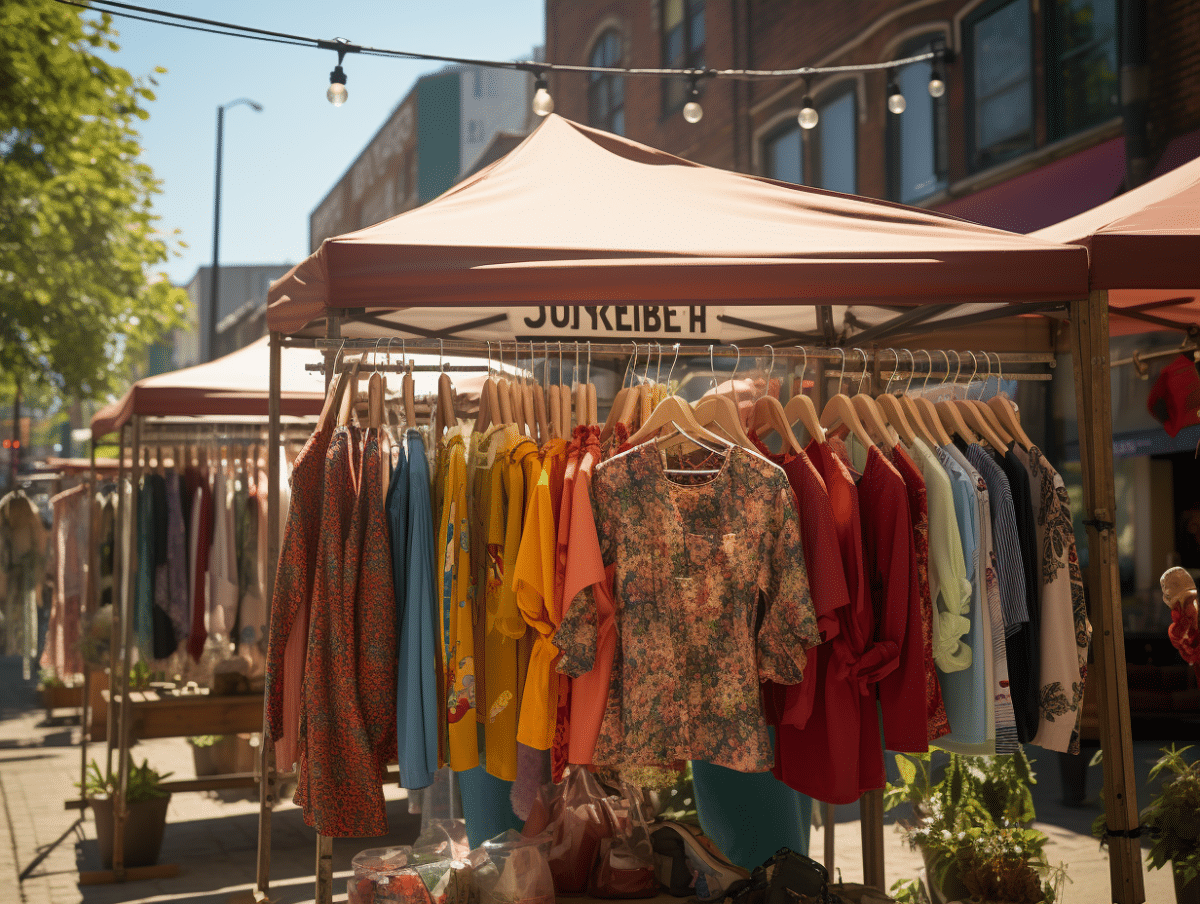
Ethical and sustainable fashion is part of a global awareness of the environmental and social impacts of the textile industry. Consumers are increasingly demanding transparency and responsible commitments from brands. Designers and companies in the sector face multiple challenges: sourcing eco-friendly raw materials, ensuring decent working conditions, innovating in production processes to reduce carbon footprints, and managing product life cycles. While striving to remain competitive, they must rethink their models to meet this growing demand for environmentally and human-friendly fashion.
The Challenges of Ethical and Sustainable Fashion: Between Ideal and Reality
Ethical fashion, an alternative to fast fashion, encounters obstacles related to both sourcing and production. It challenges the dominant model by using eco-friendly and sustainable raw materials and adopting ethical practices that improve working conditions. However, these eco-responsible choices often result in a higher cost, both for the consumer and for the producer, who faces the complexity of ensuring fair wages within a transparent supply chain.
The quest for transparency in the supply chain becomes imperative for sustainable fashion brands. This approach, demanded by increasingly aware consumers regarding environmental and social issues, is illustrated by initiatives such as ‘Camille Un Point C’est Tout’, which is committed to providing complete visibility on the origin and manufacturing of its clothing. Such a stance strengthens trust and encourages more responsible consumption.
In the textile industry, the path remains long and fraught with challenges to achieve responsible clothing on a large scale. Sustainable materials, although in development, still need to gain recognition against traditional textiles, which are often cheaper but far more harmful to the planet. Players in ethical fashion are thus forced to navigate between ideal and reality, seeking a balance between their values and the economic imperatives of a competitive market.

Strategies and Solutions for a More Responsible Fashion Industry
In the face of environmental and ethical challenges, the responsible fashion industry is equipping itself with innovative strategies. Ethical brands are committing to the path of slow fashion, offering fewer collections produced in measured quantities. This approach contrasts with the relentless cycle of fast fashion and prioritizes quality over quantity, thereby reducing the environmental impact of textile production.
Eco-responsibility and local production are closely linked. ‘Made in France’ brands are gaining ground, encouraged by consumers eager to support the local economy while limiting transportation-related emissions. These companies focus on sustainable ethical practices, such as using natural materials like cotton, linen, hemp, or recycled cotton and certified recycled polyester according to standards like the Global Organic Textile Standard.
Transparency remains a central focus for players in ethical fashion. It requires constant efforts to trace and disclose the origin of raw materials, manufacturing conditions, and fair wage policies. This information, essential for the informed consumer, strengthens trust and supports thoughtful consumption.
Awareness plays a crucial role. It influences purchasing behaviors and guides consumers towards more informed decisions. Workshops, communication campaigns, and collaborations with influencers are among the means used by brands to educate and promote a more ethical fashion. It is in this union between consumers and companies that potentially lies the key to a revolution in the fashion industry, towards greater responsibility and sustainability.