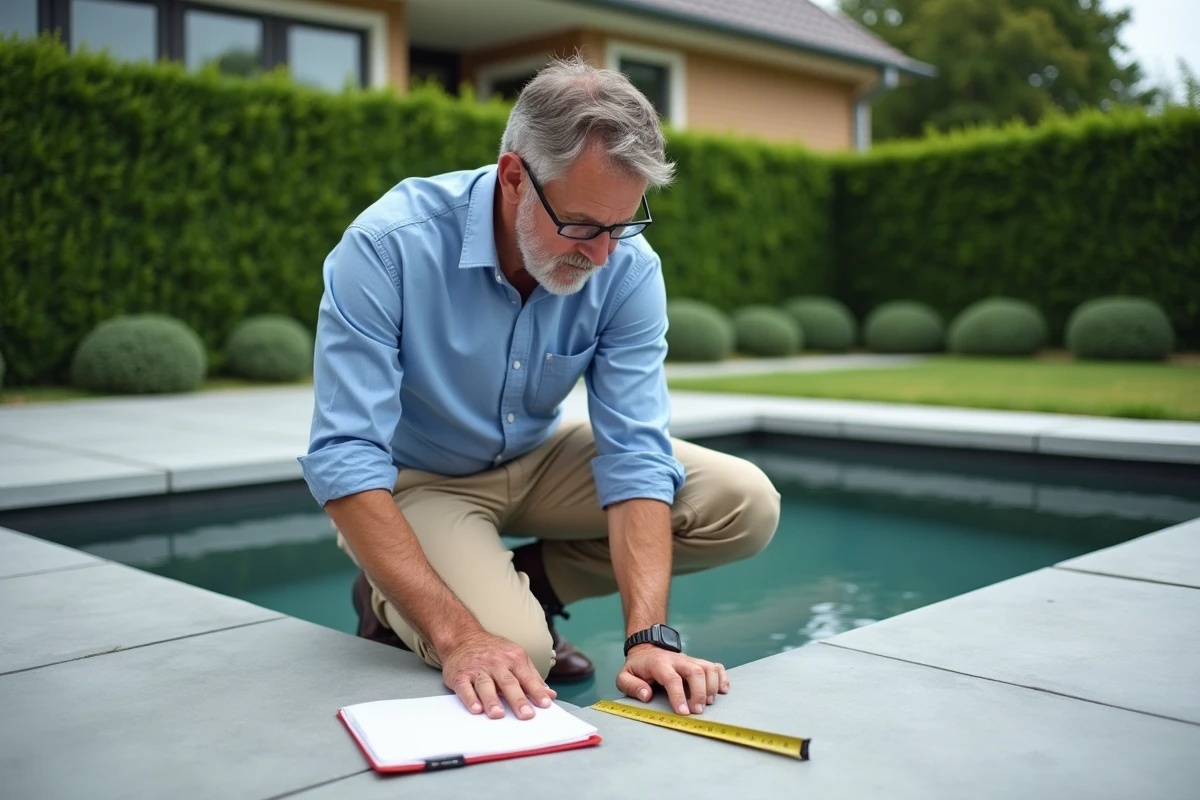
French regulations require a prior declaration as soon as the terrace exceeds 60 cm in elevation or 20 m² in area, but no text sets a standard depth for an underground structure. Manufacturers of prefabricated slabs sometimes recommend thicknesses incompatible with the actual load-bearing capacity of clay soils, confronting self-builders with unexpected adjustments.
Material and dimension choices vary according to soil stability, moisture management, and intended use. The same project may require different depths just a few meters apart, without this being explicitly stated in general guides.
Define the needs and constraints for an underground terrace suitable for your space
Before starting work, it’s essential to observe the terrain from all angles. The soil, slope, proximity to a mass or facade: everything matters when designing a buried terrace that fits its environment. Imagine a slab embedded at the foot of a mound, or a terrace replacing an old basin: the existing conditions dictate the shape and depth of the project.
The intended use guides the surface area to be planned. For a comfortable dining area, plan for a width between 2.5 and 3 meters: enough space to move around a table without contorting. If you dream of a relaxation area or a play space for children, you’ll need to revise your plans and enlarge the surface. The number of guests, as well as the furniture and accessories, impose their requirements.
The budget, often relegated to the background, weighs heavily in the balance. Between excavation, material choices, installation, and finishing, the bill can rise quickly. A basic underground terrace starts at around €800 excluding labor, but any custom feature, such as a built-in bench, integrated lighting, or greenery, increases the total.
The landscaping aspect should not be overlooked. The underground terrace integrates into the architecture of the house, extends a pathway, and blends into the plant decor. Consider access, circulation, ease of maintenance, and water management. For further details, the page dimensions and depth of an underground terrace outlines the points to monitor to ensure a harmonious project without technical missteps.
Ideal depth and dimensions: what standards to follow and how to calculate them?
Determining the ideal depth of an underground terrace is primarily a matter of logic and adaptation. This measurement is not chosen randomly. It must correspond to how the space will be used, the number of people who will occupy it, and the constraints of the terrain. For a dining area, the recommended minimum width is between 2.5 and 3 meters, allowing everyone to move easily around the table and shift chairs without disturbing others. If you envision a garden lounge, reserve at least 200×200 cm for four seats, and add 120 cm of clearance on each side to ensure comfort and access.
Dimensions also depend on the available surface area. A small garden imposes choices: every square meter must be designed to optimize space without sacrificing the feeling of freedom. It’s better to opt for a simple shape, rectangular or square, which lends itself to all layouts. As for the depth, it must allow for embedding in the ground without compromising stability or rainwater management.
Here are some guidelines to calibrate your underground terrace according to the intended use:
- Dining area: plan for a width between 2.5 and 3 meters, with more than 1.20 m of clearance around the table.
- Garden lounge: base of 200×200 cm, complemented by 120 cm of circulation.
- Surface: adapt it based on the number of users, available space, and your habits.
Adhering to these dimensioning principles ensures a practical and enjoyable terrace for everyday use. Integrated into its environment, the structure should allow for smooth usage and anticipate the technical constraints of the terrain. An accurate estimate of the depth guarantees stability and effective rainwater management.
Materials, drainage, and tips for a durable and comfortable terrace
For a buried terrace to live up to its promises, there’s no way to overlook the choice of materials. Composite wood is appealing due to its resistance to moisture, robustness against stains and scratches, and ease of maintenance. A wash with soapy water once or twice a year is enough to preserve its original appearance. Composed of 95% recycled materials, it combines durability with a responsible approach.
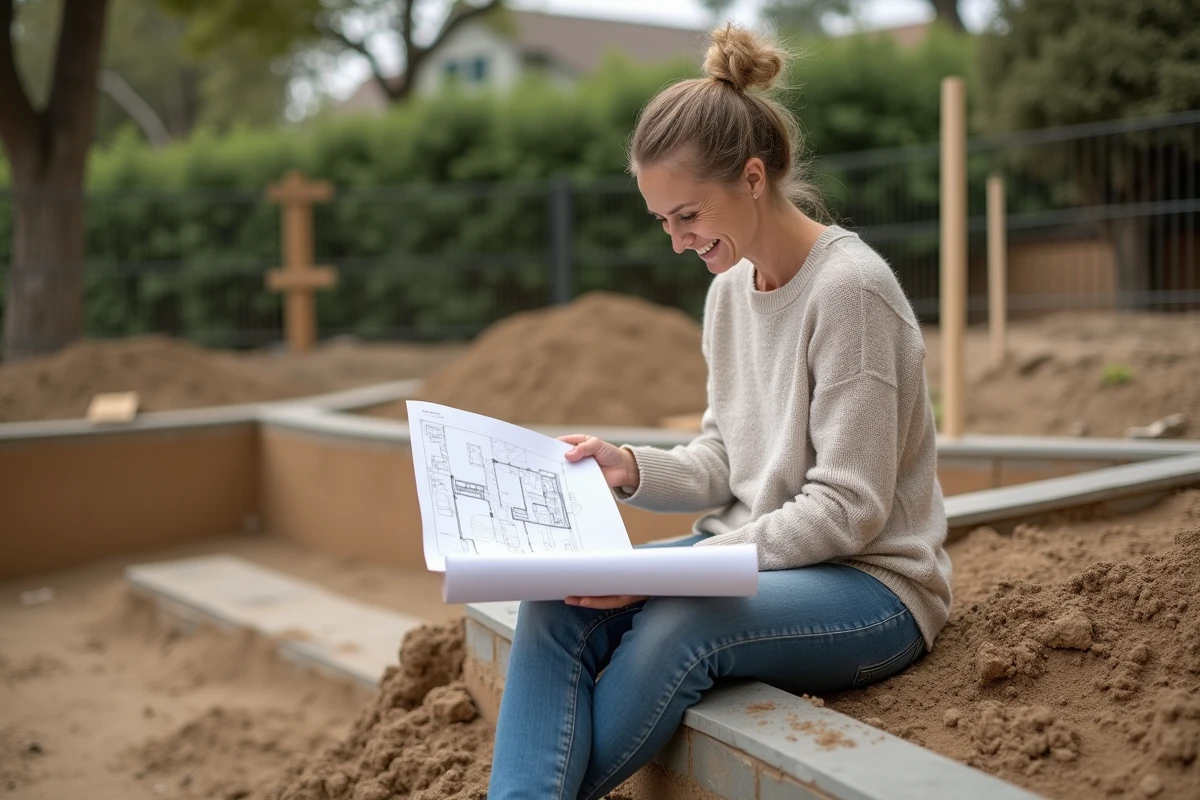
Soil preparation cannot be done haphazardly. Precise excavation, a base of crushed gravel to ensure drainage, followed by the installation of concrete blocks and welded mesh to solidify the whole: every step counts. The composite boards rest on perfectly aligned joists. The finishes are enhanced with skirting boards and corner angles for a neat appearance and additional protection.
Rainwater management deserves your full attention: installing a drainage pit equipped with a pipe and a suitable cap prevents any stagnation under the terrace. This discreet solution protects the structure from moisture-related issues in the long term.
To transform the terrace into a true living space, recessed LED lighting, a central fire pit, or a few planters are enough to create a warm atmosphere. Add cushions, a storage box, and a few personal touches according to your desires. The buried terrace then becomes a friendly extension of the house, designed to withstand the test of time while integrating into the garden. An invitation to fully enjoy every season, free from technical compromises.