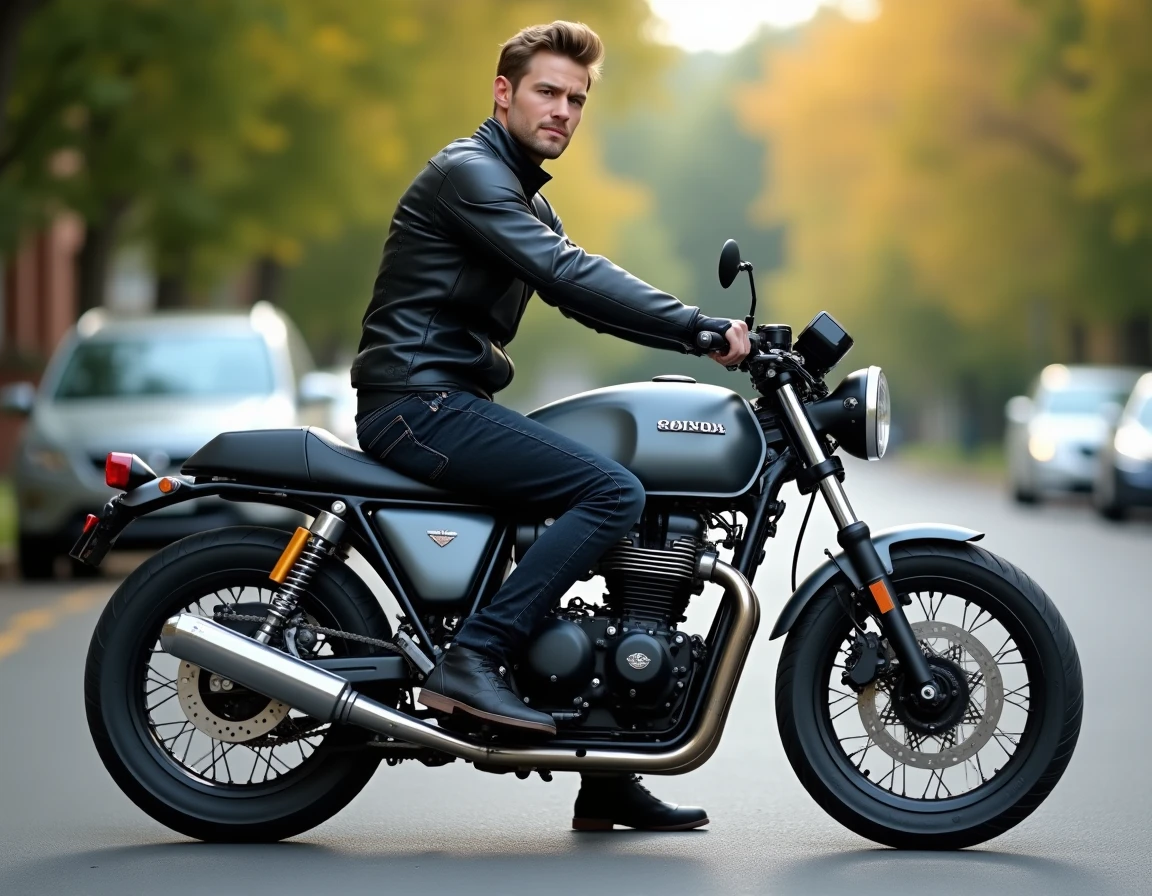
The Honda CB750S is based on the parallel twin engine of 755 cm³ found in the Hornet 750 and the Transalp 750. Limited to 35 kW for the A2 license, it retains a very different engine character from a 500 cm³ twin: the usable torque range remains broad, and the throttle response has a liveliness that surprises when coming from a CB500F or an MT-07.
Behavior of the 755 cm³ twin limited in A2 configuration
The A2 restriction on the CB750S caps the maximum power without rewriting the mapping at low and mid-range RPMs. The torque available in the current usage zone remains generous, well above what native A2 500 cm³ twins offer.
A beginner immediately feels a responsive motorcycle from the first twist of the throttle. This liveliness can be destabilizing if one expects the gradualness of a single or a small twin.
When downshifting, the smoothness at low RPMs helps smooth out the frequent downshifting errors during the first months of riding.
Before choosing this engine size, it may be useful to consult a review of the Honda CB750S for beginners that details the situations where this extra torque becomes an asset or a trap.
E-Clutch on the CB750S: what it changes for an A2 rider
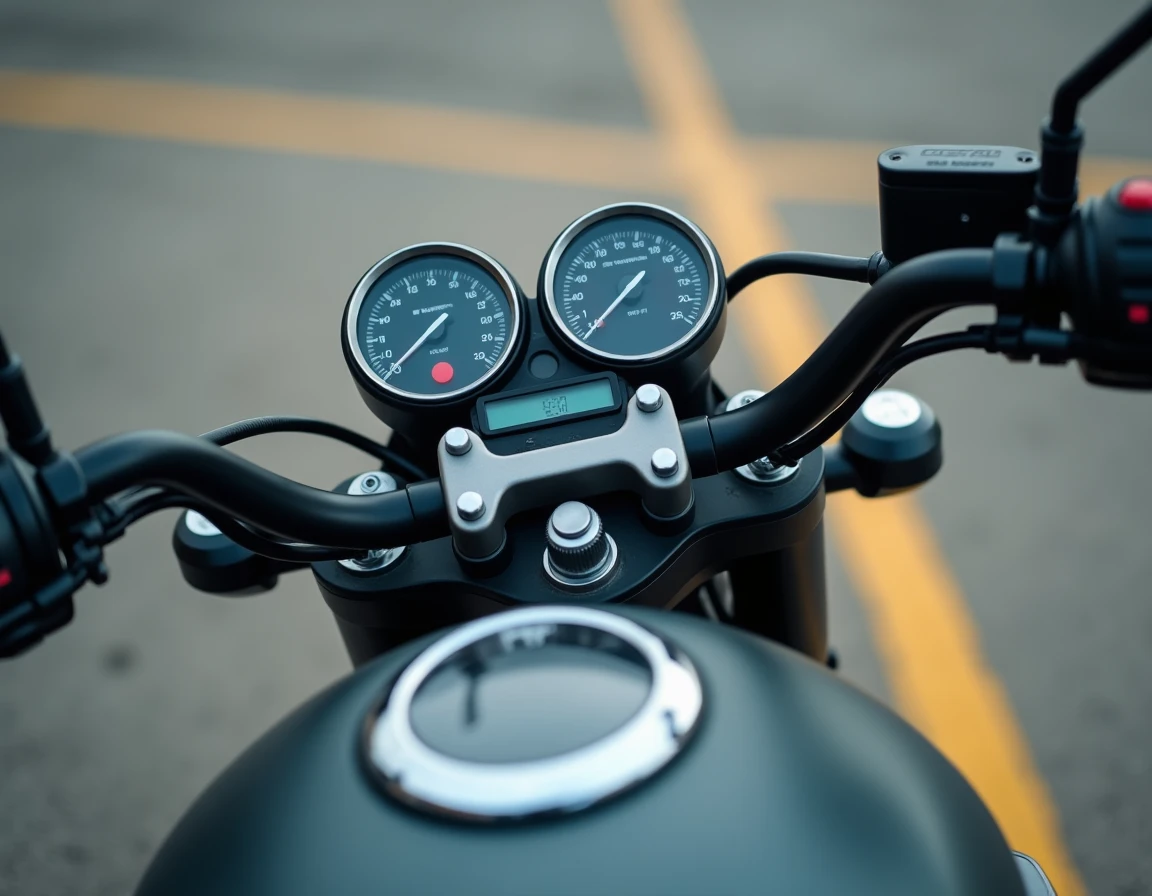
Honda deploys the E-Clutch technology on models equipped with the 755 cm³ twin, including in the restricted A2 version. The system automates the clutch: starting, stopping, and shifting gears can be done without touching the left lever. Manual mode remains accessible at any time.
For a beginner, the difference is immediate. Stalling on uphill starts disappears, and jerks during gear changes in heavy traffic are smoothed out. The fatigue in the left hand after an hour of urban traffic drops dramatically.
A safety net, not an automatic mode
The gear selector remains at the foot, and the rider chooses their gears. The E-Clutch manages the biting point and modulation, nothing more. The rider retains full control of the gearbox, without the immediate penalty of a too-quick clutch release.
We recommend beginners to ride a few hundred kilometers in E-Clutch mode before switching to manual. This allows them to integrate the engine behavior and engine braking management without the cognitive overload associated with the clutch.
Restricted CB750S against competing A2 roadsters: torque, weight, and ergonomics
The differences with the best-selling A2 roadsters are not limited to the technical specifications.
- Compared to the Yamaha MT-07, the CB750S has a slightly higher weight in running order, but a more upright riding position that relieves the lower back on daily commutes. The Yamaha CP2 twin remains a bit softer at very low RPMs.
- Against the Triumph Trident 660, the Honda offers superior torque at mid-range RPMs. The Trident is more forgiving of throttle modulation errors, a point that weighs on a first roadster.
- Compared to the KTM 390 Duke, the displacement difference makes the comparison relevant only on budget. The KTM is significantly cheaper to buy and insure, but moving to a more powerful motorcycle after two years will require a new investment.
- Against the Suzuki SV650, the V-twin offers a rounder engine character and a contained weight. The CB750S compensates with more recent electronics and the possibility of the E-Clutch.
The trap of upgrading engine size
Buying a restricted 750 with the plan to derestrict it in two years seems logical. In practice, the cost of derestriction and depreciation at resale often cancels out the expected savings.
A beginner who is not sure about wanting to upgrade to A should compare the total cost over four years (including derestriction and insurance) with the separate purchase of a native A2 model and then a full power motorcycle.
Insurance and actual cost of the CB750S with A2 license
Insurers classify the CB750S in the medium-large displacement motorcycle category, regardless of the administrative restriction. For a rider under 25 with less than two years of license, the surcharge compared to a native A2 500 is notable.
Tire consumption and maintenance costs also follow the logic of a 750, not a 500. This budget gap is rarely highlighted in comparisons focused on purchase price.
The CB750S in A2 configuration is a technically accomplished motorcycle, powered by a generous engine and modern electronics. It suits beginners who are willing to deal with an excess of torque, a higher maintenance budget, and a weight greater than entry-level A2 roadsters.
The E-Clutch reduces the difficulty of handling, but does not eliminate the need to quickly acquire good throttle modulation reflexes. A coherent choice if aiming for quick derestriction, less obvious if planning to stay in A2 for several years.